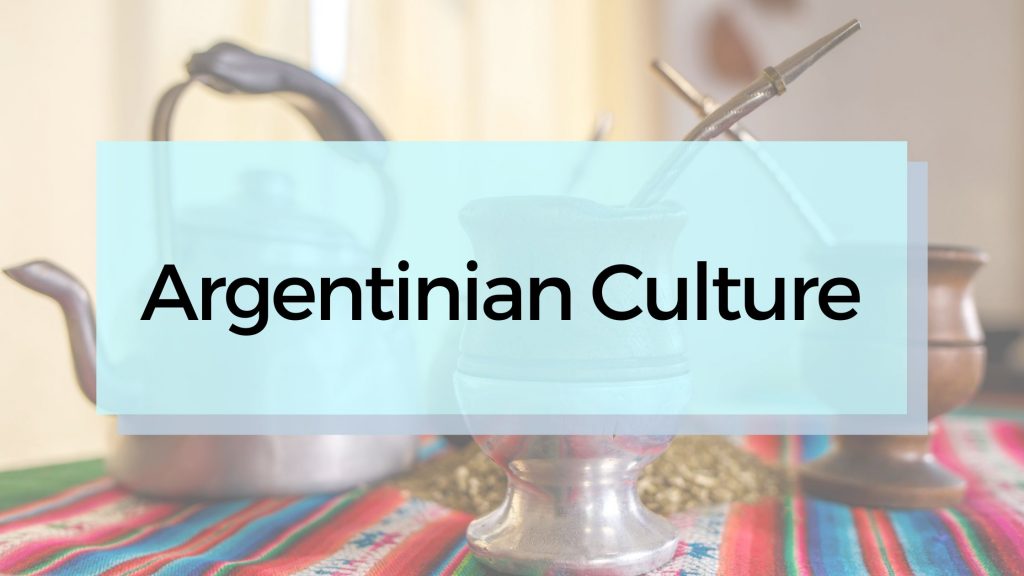
Argentina culture is definitely a mix between European and Latin American cultures that have influenced the population. It is important to note that Argentinians are a mix of people mainly descendants from Europe and indigenous people.
The culture can also change depending on which region you visit from the metropolitan Buenos Aires to the more indegenous culture found in the North of Argentina.
An introduction to Argentinian Culture
To get started with culture we can mention topics such as Argentinian Food, Art, Religion, Sport, Language and Religion.
Language
Spanish is the main language spoken in Argentina.There are other indigenous languages spoken including Guarani but it is unlikely that you will come across these languages.
In my experience people either speak excellent English or don’t speak any at all. The level of English as a second language is much better than other countries in Latin America.
Art/Literature/Music
If you are interested in Art, then Buenos Aires is a great place to visit. There are so many galleries around the city. Literature is also very good from Argentina and you will find that Argentinians love reading books.
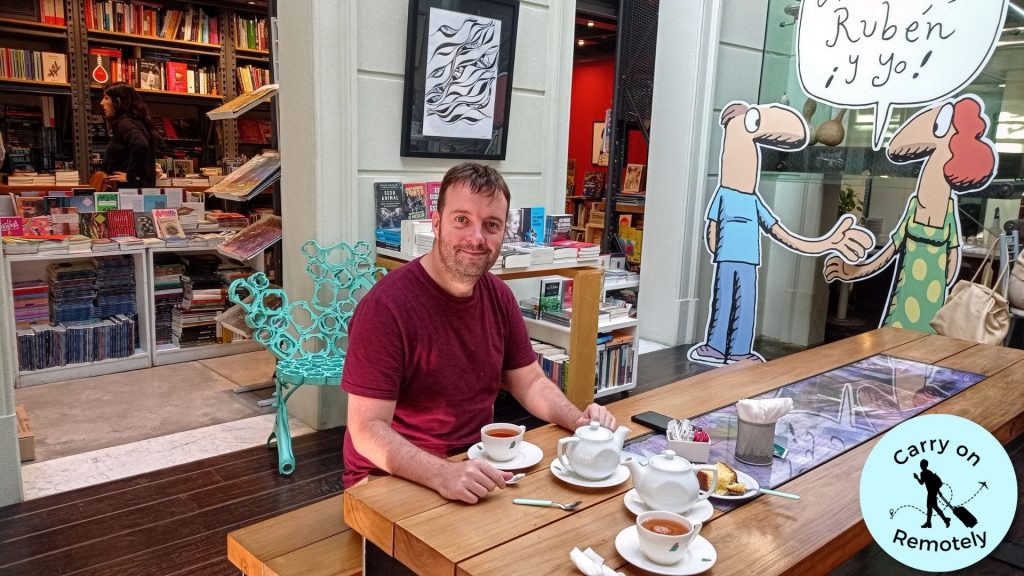
Rock and Jazz are popular music in Argentina and Charly Garcia is probably the most famous singer here. Tango music and dancing is also popular and you may see people dancing on the main squares.
Food
The food culture depends a little bit on the region. In Buenos Aires the food is very much influenced by Italian cuisine so expect a lot of pizza and pasta.
In the North of Argentina, the food is more influenced by local ingredients so expect stews and soups. Meat is very common and you can read more about Argentine BBQ here.
Sport
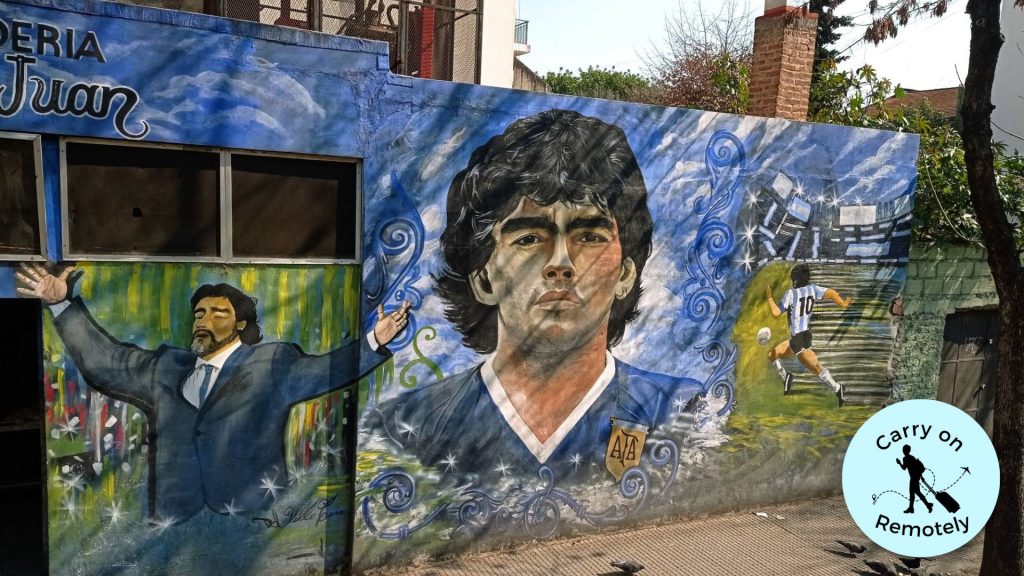
Soccer (Football) is a national obsession in Argentina and people support the main 5 club teams in Buenos Aires and the national squad. Lionel Messi and Diego Maradona are icons here and loved by most people.
Religion
Christianity is the most popular religion in Argentina with most people being Catholics. In my experience, religion does not play as important a role in modern Argentine society.
Argentine Traditions
Argentine traditions are also different depending on where you are in the country. The more indigenous traditions are followed in the north and west of the country and more European traditions are more closely followed in Buenos Aires and the east and south.
Food is very important in Argentine culture and most traditions revolve around food. People drink maté and different traditions revolve around Breakfast and Merienda.
What are the Family Traditions in Argentina?
Sunday lunch is a very important meal for families in Argentina. People often cook pasta or have a BBQ and gather together and talk for hours about politics and football while drinking mate.
Families are also very active and often visit a park or go out together at the weekend. Families always greet each other with a kiss(including men to men) and also say goodbye with a kiss.
A “quinceañera” is another family tradition that celebrates a girl’s fifteenth birthday. Sometimes the family make a big sign called a “pasacalle” and hang it on their local street.
What are Argentinian Values?
Argentina is a democracy and the government promotes values such as multiculturalism, gender equality and freedom of religion. Argentina scores relatively well on gender equality and is ranked as a flawed democracy.
In my experience, people in Argentina are very passionate and share similar values to their heritage. Italian values are common in Buenos Aires where families gather and the women generally do the cooking
Is the culture different in Buenos Aires to the rest of the country?
The culture in Buenos Aires is more influenced by people descended from European immigrants while in the North of Argentina the people are more likely to be descended from indigenous people.
Many people you meet in the South are originally from Buenos Aires but there are also people descended from indigenous people there too.
What is the Argentinian Lifestyle like?
The Argentinian lifestyle is generally related to meeting up with friends and family. People often meet for merienda or dinner. People are warm and there is a relaxed, informal atmosphere.
A typical day in Argentina:
8am-9am Breakfast
9am-5pm Work
5pm-10pm Merienda/Gym
10pm Dinner
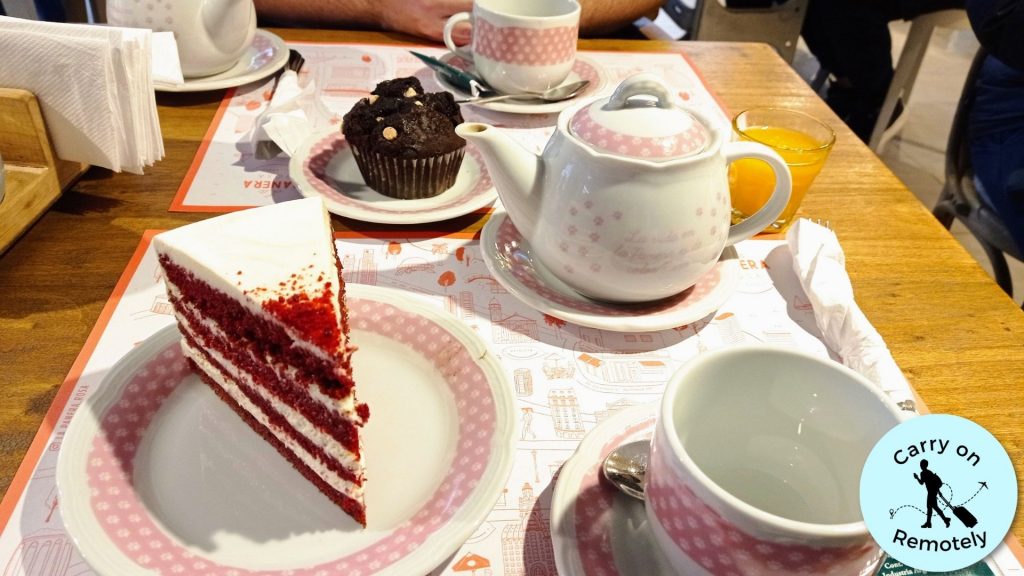
The biggest difference from English speaking countries is that dinner happens very late (between 9pm and midnight). People usually eat a “merienda” between 5-7pm which is a hot beverage and a small sandwich or slice of cake.
If people go out at the weekend, then they go out around 1am and stay out until around 5 or 6am.
What is Argentinian Clothing Culture?
It is not possible to speak of a specific Argentine clothing style, because nowadays trends are now orienting fashion to continue the increasingly intense search for originality and diversity.
The ‘independent design’ is small unique garments made by fashion professionals or artists instead of any recognized brand.
You’ll find people wearing different types of clothes and styles. Argentines like dressing up to go out but are very relaxed about what they wear.
What is Argentinian Beauty Culture?
Even though nowadays there are more awareness campaigns about beauty standards, in Argentina, the ideal of thinness predominates, while in other Latin American countries, for example, voluptuousness is prefered.
Argentines like doing beauty treatments, you can always find a beauty salon or a hairdresser anywhere in the city.
But, we have to remember that Argentina is huge, there are people that follow these beauty standards, and others that have their own. It’s a very diverse country.
Argentinian Culture Final Thoughts
Argentinian culture is a mix of Latin American and European culture. Soccer is the sport of choice and people place a big emphasis on eating and socializing.
👉 Check out these other related posts about Buenos Aires!
About the author: