This is our Moving to Ireland Guide to help people move to our beautiful country. Ireland has really blossomed into a great place to live and along with the welcoming people, makes it a wonderful place to live.
There are some downsides too but we wrote this guide so that you could learn about the practicalities of moving to Ireland but also our recommendations about living here. We also wrote about Irish culture and included topics such as Food and Drink, History, Politics, and Education.
To be honest, we could have sold this as a short book, but anyway, here it is.. our guide to living and working in Ireland.
Index
In this article we’ll cover the following points:
- Pros and Cons of Living in Ireland
- How to get to Ireland
- Working Remotely in Ireland
- Where to stay when you arrive in Ireland
- Where to find long term rentals in Ireland
- Visas and Eligibility
- Banks in Ireland
- Insurance in Ireland
- PPS Number
- Tax
- Local Jobs Advice for Foreigners in Ireland
- Phone/Internet in Ireland
- Food and Drink
- Languages in Ireland
- Tourism in Ireland
- Geography of Ireland
- Education in Ireland
- Learn English in Ireland
- Politics and Safety in Ireland
Pros and Cons of Living in Ireland
Ireland is an amazing place to live but there are also some downsides that you need to think about
| Pros | Cons |
| 🎨 Some of the best culture in the world especially the live music scene | 💵High cost of living especially in Dublin. |
| 🌳 Beautiful scenery,Wicklow and the west coast of Ireland are beautiful. | 🏡Housing is a real problem all over the country. |
| 😊 Very open and friendly people who like to have a good time. | 🚗Transport can be expensive between cities/towns in Ireland |
| 💰 Very strong, diversified economy. You can find a great job in Ireland | 🌦️ The weather can be a bit hard to adjust to for people from sunnier climates |
How to get to Ireland
Ireland is very easy to get to from most European Capitals. The main airports in Ireland are Dublin, Belfast, Shannon and Cork although Dublin is much bigger than the rest of them.
Direct Flights from the U.S.A are common and you can fly directly from the following cities:
- Boston
- New York
- Chicago
- Washington D.C
- Orlando
- Los Angeles
- Seattle
- San Francisco
- Philadelphia(summer only)
Working Remotely in Ireland
If you plan on working remotely for an American company in Ireland, then you will definitely have a great time. There are plenty of great coworking spaces in Dublin and there are even some work hubs setting up in more off the beaten track locations like Arranmore.
Check out the “Grow Remote” community to dive into the community of remote workers in Ireland. If you are looking for a remote job in Ireland then you can check their job board here or Weworkremotely to see what jobs are advertised.
Where to stay when you arrive in Ireland
The best idea is to stay somewhere near the center of Dublin when you arrive. It is the best connected part of the country if you want to go somewhere else. The main train stations are Hueston station(if you are going west and south) and Connoly station(west and north). The main bus station is called Busáras. So, you definitely want to stay near those stations especially if you want to eventually go somewhere outside Dublin.
As I said above, being in the center of Dublin is a good place to start if it is your first time in Dublin. You can stay in a hotel or an apartment that you can find on Booking. If you are on a budget, then I recommend checking out Isaac’s Hostel which you can find on HostelWorld.
🏨 Options to find an short-term apartment in Dublin:
Where to find long term rentals in Ireland
Finding a place to rent is hard but not impossible. Get started as soon as you arrive in Ireland.
From our experience, we found our one-bedroom apartment on Daft. We probably checked the website every day and sent loads of applications, until we finally viewed a place in Dublin 1 (Northside) and we were lucky the owner was happy to get the lease ready and sorted for a year.
Websites with rental properties in Ireland:
Read more about buying a house in Ireland here
Some Recommended areas in Dublin to live:
📍 Southside: Rathmines, Ranelagh
📍 Northside: Smithfield, StoneyBatter, Drumcondra
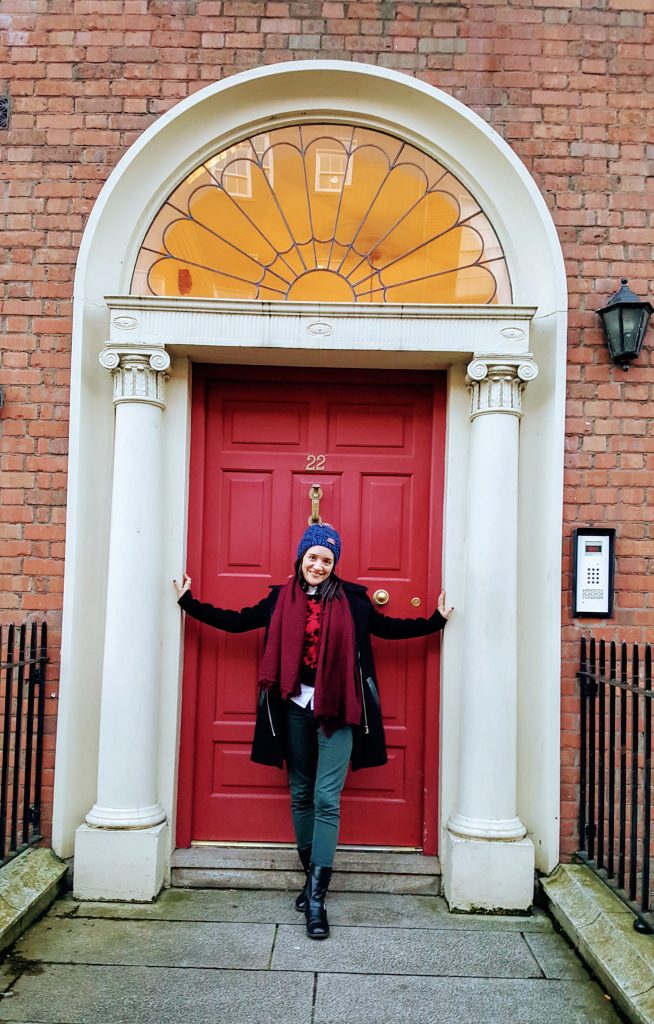
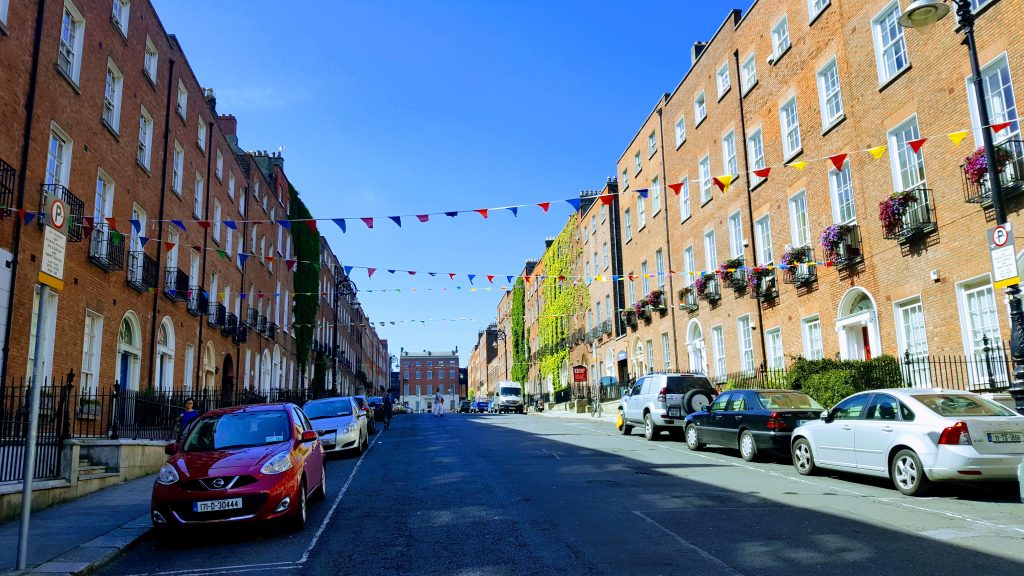
We lived for a year on the Northside, on one of the most beautiful streets, North Great George’s Street, famous for its Georgian architectural style and for the James Joyce’s museum.
It’s very well connected to many areas of the city and it’s in the Chinatown area in Dublin with authentic restaurants!
When going to house viewings you should bring the following:
- Payslips
- Bank Statements,
- Copy of Passport
- References from past rentals
Visas and Eligibility
There are two types of visas for Ireland: short term and long term. Long term visas are valid for more than 90 days and are known as D-type visas. The following are the different types of long term visas:
- Study visa: allows you to study in Ireland for more than 3 months. You can apply up to 3 months before your date of travel. Applications are made online and processing times can vary, but generally take around 8 weeks.
- Join a family member visa: allows you to live in Ireland with a family member who is an Irish citizen or resident. Eligibility requirements and other details can be found in the Policy Document on the official website: www.inis.gov.ie
- Employment visa: allows you to work in Ireland after obtaining an employment permit from the Department of Jobs, Enterprise & Innovation (DJEI). You can apply up to 3 months before your date of travel. Applications are made online and processing times can vary, but generally take around 8 weeks.
- Working Holiday visa: allows young people from certain countries to work and travel in Ireland for up to 1 year. Places are limited and applications must be made through the Irish embassy in your home country. Details can be found on the official website: www.dfa.ie.
The fees for study and employment visas are €60 for a single entry, €100 for a multi-entry, and €25 for a transit visa. Some applicants may be exempt from the visa fee and additional charges may apply.
Banks in Ireland
Opening a bank account in Ireland should be one of the first things that you do when you arrive in the country. It can take a little bit of time, but it is important to get this set up so that you can receive your paychecks and make payments. To open a bank account, you will need identification, proof of address, and a passport or driver’s license.
There are four main banks in Ireland: Bank of Ireland, Allied Irish Bank, Ulster Bank, and Permanent Tsp. Each of these banks offers online banking, which makes it easier to manage your account without having to go into a branch. There are no fees for using other banks’ ATMs in Ireland, but there may be fees for contactless payments.
Making online transactions with these banks can be difficult, as they often require additional security measures. For this reason, it may be worth considering using a fintech company like Revolut, which offers an app for making payments and has a modern and user-friendly interface.
If you are transferring money from your home country to Ireland, then we highly recommend Wise. Their fees are so much lower than local banks.
Overall, setting up a bank account in Ireland is a necessary step for managing your finances and getting paid. It is important to do this soon after arriving in the country, and to carefully consider which bank to use in order to avoid unnecessary fees and complications.
Insurance in Ireland
Visas and Insurance
Many visas require health insurance for your entire stay in Ireland like the Working Holiday Visa. It is always a good idea to get health insurance anyway when moving to a new country.
We recommended Safety Wing as it covers most of what you need, is only $39 a month and it is easy to sign up.
EU citizens can get EHIC which is free and allows you free treatment for emergencies. You should always check your visa for which type of Insurance you need.
Health Insurance providers in Ireland
- Laya Healthcare
- VHI Healthcare
- GloHealth
- HSF Health Plan
PPS Number
A Personal Public Service (PPS) Number is a unique reference number that is needed to access public health services, including the medical card. It is also used for housing grants and social welfare services.
If you are working remotely in Ireland you may not need a PPS number but if you are working in the local economy or paying taxes in Ireland you will.
To apply for a PPS you will need:
- Evidence of your identity(Passport)
- Proof of address
- Reason PPS is needed
To get a PPS you will need to have a face-to face interview so it is best to book an appointment. You can make an appointment here.
Tax
There is a progressive tax system in Ireland which means that the more income you earn, the more tax you pay.
There are 3 taxes for employees in Ireland
- PAYE (Pay as you earn)
- PRSI (Pay Related Social Insurance)
- USC ( Universal Social Charge)
PAYE is the main tax in Ireland and you pay 20% up to €35,000 and 40% of everything earned above this level. This means that if you earn an average salary or below, you pay 20% tax on that and if you have a higher salary then you pay 20% tax before €35,000 and then 40% above that.
PRSI is 4% or lower in most cases and also depends on the job you do.
USC is usually between 2-8% of your income.
All of these calculations are done for you and the only thing you need to do is check that your tax was calculated correctly as you could be due a tax refund. You can do this and learn much more on revenue.ie by setting up an account and checking it the year after you worked in Ireland.
Local Jobs Advice for Foreigners in Ireland
4 ways to find a job in Ireland
- Networking
- Internet
- Hand out CVs
- Recruitment agency
Networking
👥 Somebody from your country via Facebook groups
👥 Meetups in your area
Websites to find a job in Ireland
- Indeed.ie
- Jobs.ie
- IrishJobs.ie
- FAS.ie
- Monster.ie
- Fiverr.com
- PublicJobs.ie
- Jobbio.com
- RecruitIreland.com
- CPL.ie
Hand out CVs
This works great for hospitality jobs like working in a bar, café or restaurant.
Recruitment Agency
Recruitment agencies are only good if you have experience in a certain field. They will usually prefer experience in English-speaking countries.
LinkedIn is especially good for I.T jobs in Ireland and can be a great way to find a job or to get a new, better job.
CV tips in Ireland
- No photo is necessary for hospitality jobs
- Should be 2/3 pages long(length depends on job)
- The Cover letter is important
Phone/Internet in Ireland
Internet in Ireland
The internet speed in Ireland is usually fast in the cities with an average download speed of 70 Mbps according to Statista. The internet in other parts of the country isn’t as good but the government is rolling out a plan to give broadband internet to the whole country.
As for having internet on your phone, Vodafone, Three or Virgin Media are three of the biggest networks that provide mobile internet. We use the Three Network as it is easy to use and usually costs us 20 euro per month.
Food and Drink
Ireland is famous for its beer and whiskey but there are a lot of delicious types of food too. Potatoes are very traditional and can be found in many different forms. Let’s dive a little deeper into Irish food and drink.
Food in Ireland
Irish food is not famous around the world but there are some excellent products. Meat and dairy, in particular, are excellent quality and Irish butter is sold all around the world. Nowadays, you can find excellent restaurants all around the country and also cuisine from other countries like Chinese and Indian food in most towns and cities.
Some examples of Irish dishes:
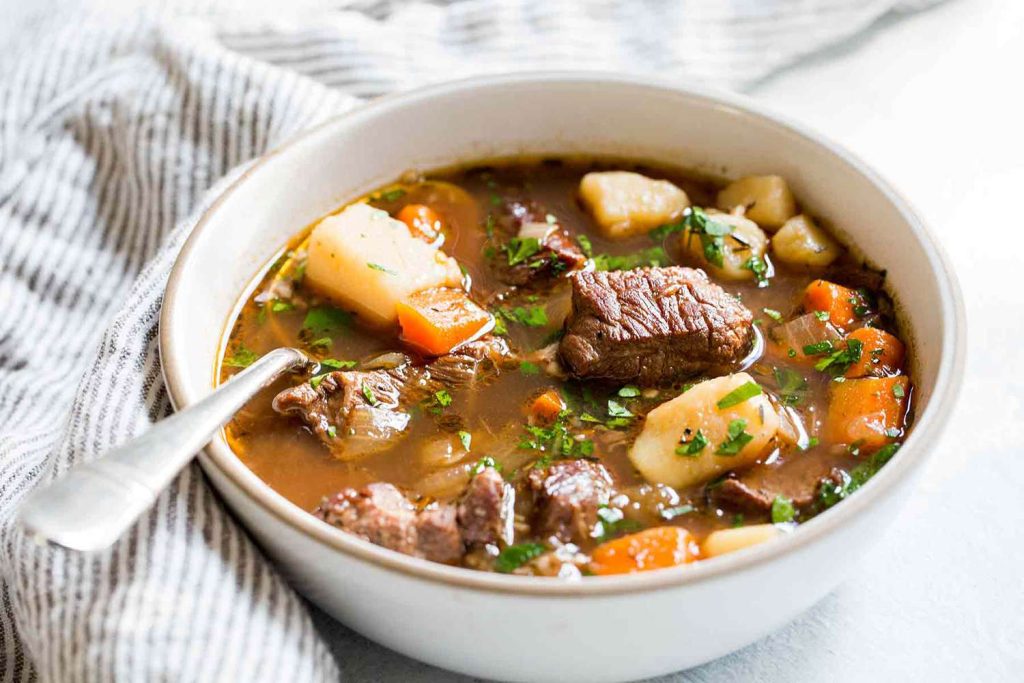
- Irish stew
A mix of usually beef or lamb, with carrots,onions, potatoes and gravy
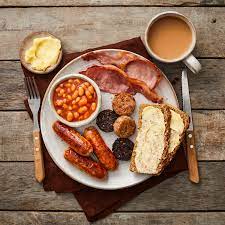
- Irish breakfast
Sausages, bacon, eggs, tomato, black and white pudding, potato bread, tea, and toast
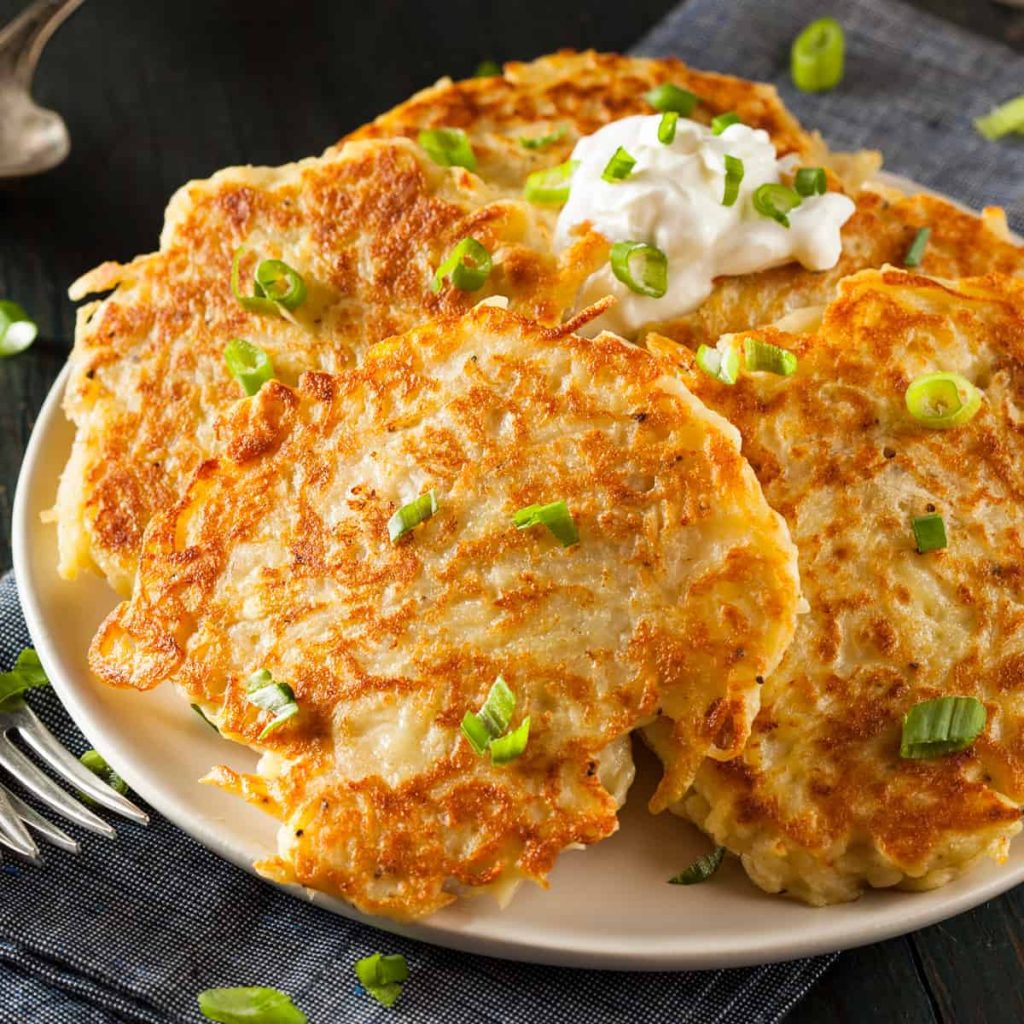
- Boxty
Potato pancake
Drinks in Ireland
Ireland is famous for alcohol and it is true that many Irish people enjoy drinking beer. Wine is also a popular drink nowadays as well as the traditional Whiskey and Beer. A little known fact is that Irish people drink the second most tea in the world. Coffee is also very popular.
Beer
Guinness is the most famous and popular beer in Ireland. It is a creamy drink that is very delicious and can be found in every Irish pub. Small craft beers are now available in many pubs and you can also find the big brands like Heineken and Budweiser
Whiskey
Whiskey comes from the Gaelic Uisce beatha or water of life. It was common in Ireland to offer someone a glass of whiskey when they entered your home but this is not so common anymore. Whiskey is still produced in many parts of the country.
Tea
Lyons and Barry’s tea are the most popular drinks in Ireland and Irish people drink a lot of tea. It is very common for friends and family to drink tea together with biscuits or something sweet. Irish people usually put some milk in their tea.
Irish coffee
Irish coffee is a mix of whiskey, coffee, and fresh cream. It is not an everyday drink but rather something we drink at Christmas or some other celebration.

My recommendations in Dublin
Pubs
- The cobblestone(Smithfield) Great traditional music
- Devitts(Camden Street) They have great live music upstairs/downstairs on Thursday-Sunday
- Piper’s corner(Marlboro street) New place with lovely craft beer and old traditional music
- The palace bar(temple bar)The only bar in Temple Bar I frequent.
- Dame Tavern(Dame Lane) Great session on Sundays from about 7pm-9pm
- Mulligans(Poolbeg street) Old man pub(no music, no sports)
Restaurant Recommendations
- Kimchi Hop house(Parnell street) Korean food with Irish pub attached
- Cornucopia(Wicklow street) Amazing vegetarian food
- Umi Falafel(various locations) great falafel
- Brother hubbard(Capel street) Middle eastern food
Café Recommendations
- Meet me in the Morning (Pleasants street) Great coffee,great vibe
- Ann’s bakery (various locations)
Languages in Ireland
Ireland has two main languages. Irish Gaelic which is called “Irish” by Irish people is spoken by about a third of the population but English is by far the most common language spoken in the country. The English spoken in Ireland is called ‘Hiberno-English’ and there are many different accents around the country.
The grammar and vocabulary of English in Ireland can be slightly different to other parts of the English speaking world and can be influenced by the Irish language.
Common Irish Vocabulary/Slang
Craic= Craic generally means fun but we also use it to ask what is happening in another person’s life.
Eejit/gobshite= Foolish person
Kip= mess/run down place
Deadly= Very good
Sound= A good person
Grand= Fine, e.g. I am grand
Gaff= House
Give out= Tell off
Your man/Your wan=That person whose name you don’t know
Tourism in Ireland
History
The history of Ireland is long and rich. The Celts were the main settlers and whose culture Irish people relate to. Check out the Irish history podcast for more details.
The main events in Irish history were:
- 8000 BC First people arrive
- 1200 BC Celts arrive Irish language evolved
- 387 AD St Patrick arrives in Ireland
- 795 AD The Vikings arrive
- 1169 AD The Normans arrive
- 1600’s Ulster Plantation + Oliver Cromwell
- 1845-52 The Great Famine
- 1916 Easter Rising
- 1921-22 Irish Independence + separation
- 1970’s The Troubles
- 1980s A period of slow economic growth and emigration
- 1990s The Beginning of the Celtic Tiger
- 2000s Continuation of Celtic Tiger and economic crash in 2008
- Ireland today is a modern, liberal, inclusive country with a focus on job creation and investment from overseas.
Geography of Ireland
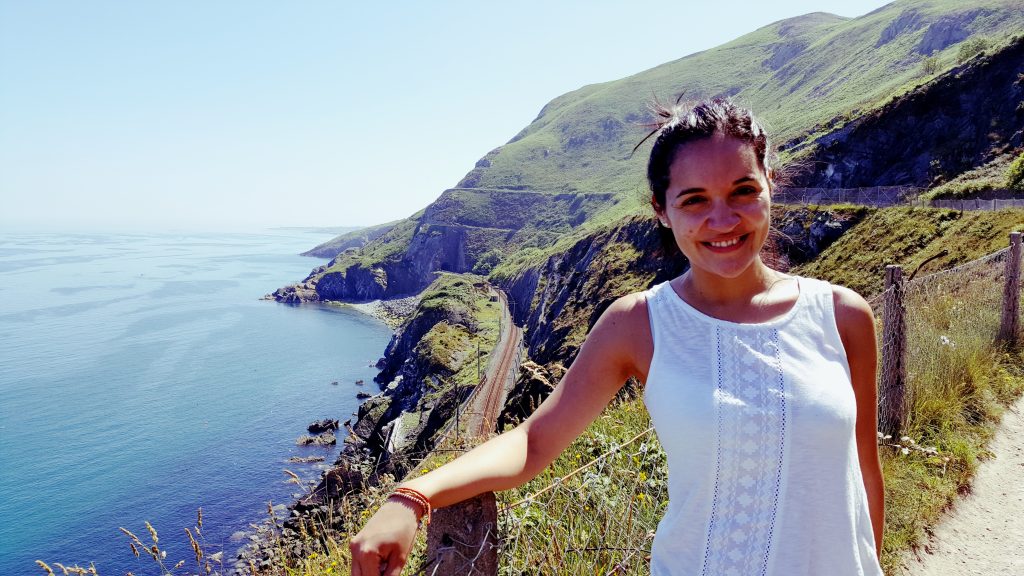
Ireland is a country that is known as the Emerald Isle and you can quickly see why it gets that name. The rolling green hills are everywhere but there are not too many forests in the natural landscape. There are many beautiful beaches and cliffs and small Islands.
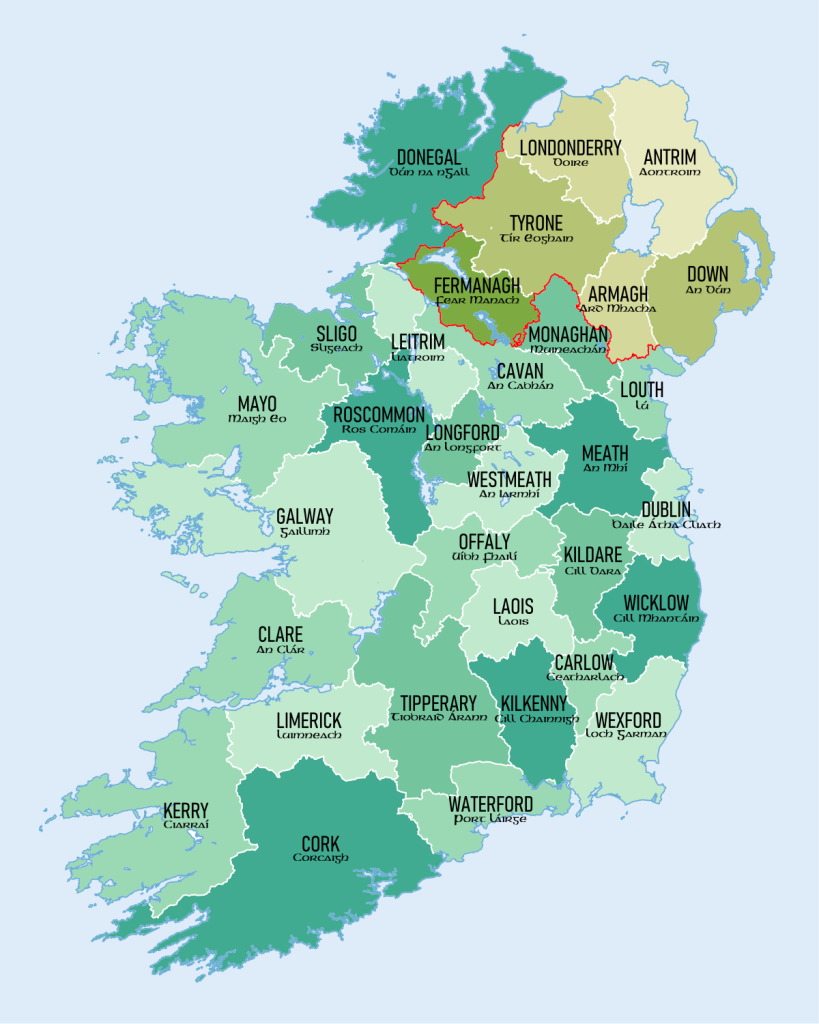
Ireland is separated into 4 provinces Ulster/Connacht/Munster/Leinster
It is also separated into 32 counties of which 6 counties are in Northern Ireland.
Best beaches in Ireland
- Downings Beach(Donegal)
- Inch Beach (Dingle)
- Brittas Bay (Near Dublin)
Going to the beach in Ireland is often windy and cold but there can be some beautiful days in summer. Irish people often swim in the sea but be careful and it is very cold!
Interesting geographical features
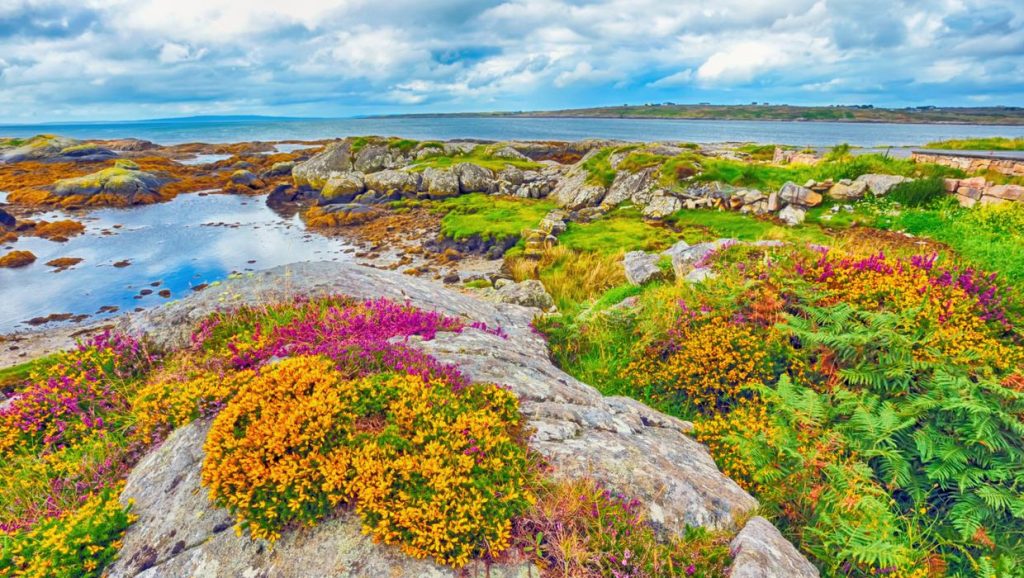
The Burren
Limestone caves and cliffs left over from the Ice Age
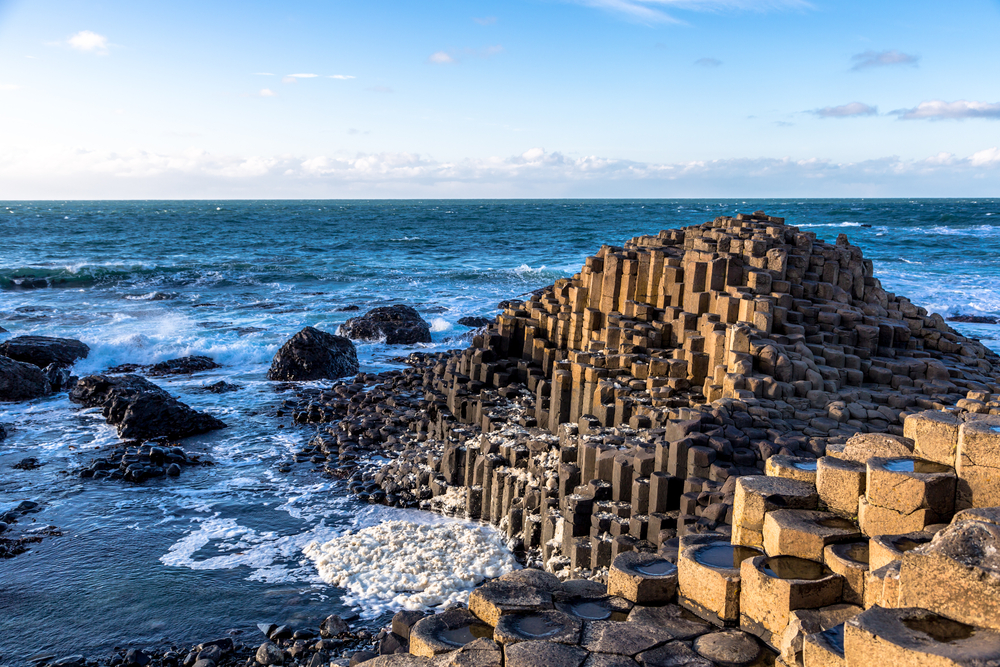
The Giant’s Causeway
Neatly packed basalt columns formed 6 million years ago.
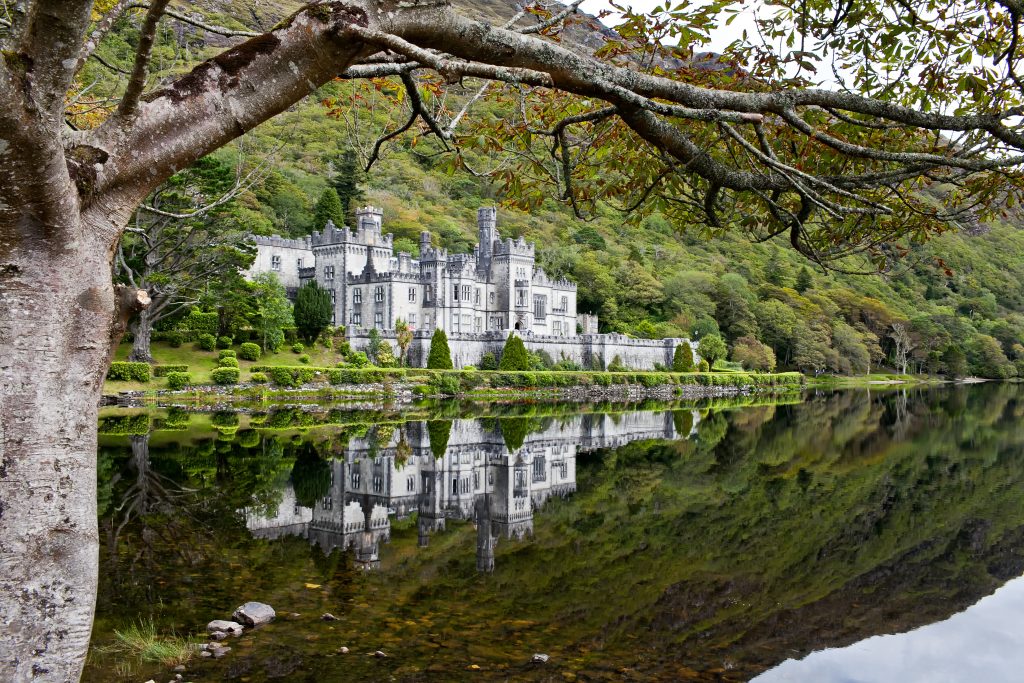
Connemara
Region of Ireland with a wild beauty.
Education in Ireland
Third Level Education is usually separated into Universities, Institutes of Technology and Private Colleges.
| Universities | Institutes of Technology | Private Colleges |
| Trinity College | Dublin | National College of Ireland |
| University College Dublin | Cork | Dublin Business School |
| Dublin City University | Limerick | Griffith College |
| National University of Ireland | Sligo |
University Costs
EU vs Non-Eu
Fees are usually double for people from outside the E.U. For Undergraduate Degree the Tuition is free for EU citizens but you may still need to pay an administration fee which is around €2,000 per year. Non-Eu students can pay anywhere from 10,000 – 55,000 Euro per year
Masters/PHD can cost around 9,950 – 35,000 EUR/year and the most recognized places to get a Master’s degree in Ireland are U.C.D and Trinity College Dublin.
The Springboard program is also a great way to study as courses are free. The conditions attached are that you must be unemployed and a resident.
Moving to Ireland with your family
Education is a very important factor to consider when moving to Ireland with kids. Schools in Ireland usually fall into three categories:
- Catholic church owned schools
- Protestant schools
- Educate together
- Gaelscoil
The Catholic church previously owned and ran the schools in Ireland. They still influence 90% of the schools in Ireland but this is changing and more and more schools are being run by the state. Educate Together are newer and also funded by the government with less of a religious element. Gaelscoileanna are schools where the main language is the Irish language but there are not that many of them. Always apply as early as possible to get your kids into the school you want.
Learn English in Ireland
There are many benefits in studying English in Ireland:
- It’s cheaper than studying in other countries like England
- You can make friends with people from all over the world
- You can work in Ireland (if you are over 18)
- Use the language 24/7
- Experience living in a vibrant and friendly country!
Type of courses available
Language schools offer courses for young people (from 12-17 ys old) and adults (over 18)
There are summer and all year around courses.Courses can last between 1 week up to 1 year. You can renew your visa if you wish to continue studying up to 3 times!
How much do English courses cost in Ireland?
- Prices range from school to school.
- If you book with an agency or a school you may have to pay for accommodation, tours, flights, health insurance, etc.
- Important! Make sure you choose a school, contact them to see their services and how they can help you book your course.
Our Recommended Language schools in Dublin:
- U Learn
- Delfin English School Dublin
- ISI English Language School Dublin
- Atlas Language School
- Everest Language School
- Oscars International Dublin
- Swan Training Institute
- Englishour
We both taught English in ISI Dublin and it is a great school to learn English.
Other Language Schools Around Ireland
Cork
- Cork English Academy
- CEC – Cork English College
- Cork English World
Limerick
- Limerick Language Centre Ltd
Galway
- Galway Cultural Institute
Donegal
- Donegal English Language School
Politics and Safety in Ireland
The Irish political system is a democratic republic and a member of the European Union. The Head of State is the President but the main power is with the Taoiseach(pronouncedT-shock!). The Taoiseach is the Prime Minister and the head of the Government.
Political Parties
Ireland has a lot of parties and independent politicians. The dominant parties since the foundation of the state have been Fianna Fail and Fine Gael.
The three dominant parties in 2020 are:
- Sinn Féin (Irish Republicanism, Left-wing)
- Fianna Fáil (Center)
- Fine Gael (Center right)
Political System
The Electoral system in Ireland
Ireland uses a PR-STV (Proportional Representation by Single Transferable Vote) system for elections. While it may look complicated, it is easy for the public. They must rank their favorite politician number 1 and their second favorite number 2 and so on.
It gets more complicated with the counting of the votes and that can often take days.
Once the top politician reaches the quota, his votes are then distributed to his voter’s number 2 preferences.
The President of Ireland
The President of Ireland is more of a figurehead and largely just represents Ireland abroad. He/She lives in Áras an Uachtaráin in the Phoenix Park in Dublin.
Safety in Ireland
The police force in Ireland is called the Garda Síochana. Most people call them “The Guards” and they usually do not carry guns.
Ireland is a safe modern country. The Homicide rate is low. The most dangerous thing to watch out for is assault which can occur in city centers late at night fuelled by alcohol and drugs.
About the author: